بِسْمِ اللَّهِ الرَّحْمَنِ الرَّحِيمِ
الرَّحْمَـٰنِ
الرَّحِيمِ
الْمَلِكِ
الْقُدُّوسِ
السَّلَامِ
1446 - ذُو الْحِجَّة
الْمُؤْمِنِ
الْمُهَيْمِنِ
الْعَزِيزِ
الْجَبَّارُ
الْمُتَكَبِّرُ
L
O
A
D
I
N
G
Fajr
04:15 AM
✓
Asr
07:00 PM
Maghrib
08:59 PM
Isha
10:45 PM
Jumu'ah
02:00 PM


Mashhur
مشهور
Text Size:
Mashhur (literally "well-known" or "famous") is a technical term in Hadith classification referring to a narration transmitted by three or more narrators at every stage of its chain (isnad), but which does not reach the level of mass transmission (mutawatir) that yields certain knowledge. In Hanafi legal theory particularly, mashhur Hadith occupy an important intermediate category,stronger than ahad (solitary) narrations but not reaching mutawatir certainty. These Hadith are considered to provide reliable knowledge (ilm) for establishing legal rulings, though not the absolute certainty of mutawatir texts. Many foundational legal principles in the Hanafi school derive from mashhur narrations. For example, the punishment for drinking alcohol (eighty lashes) is based on a mashhur Hadith, as is the practice of raising hands for takbir in prayer according to some schools. The classification of a Hadith as mashhur requires careful scholarly investigation of transmission history across each generation. Some scholars use mashhur differently,Shafi'i terminology may classify mashhur as widely known among Hadith specialists but not necessarily mass-transmitted. Understanding mashhur helps scholars weigh evidence strength when deriving rulings, recognizing that multiple transmission paths enhance reliability while falling short of mass transmission's certainty. The concept demonstrates Islamic scholarship's sophisticated methodology for evaluating prophetic traditions. Mashhur Hadith are those that become widely known after the first generation. They may start with one or two narrators but later become narrated by many. They are stronger than ahad (solitary) but weaker than mutawatir (mass-transmitted). In Hanafi fiqh, mashhur Hadith are used as evidence for legal rulings. They are considered to give knowledge (ilm), though not absolute certainty. For believers, mashhur Hadith are reliable. They have been verified by scholars and are accepted as authentic. The believer follows them with confidence, trusting the scholarship that preserved them.
Viewed 351 times
Browse Dictionary
Join Our Mission to Preserve Islamic Knowledge
"The best of you are those who learn the Quran and teach it."
- Prophet Muhammad ﷺ
Missing Terms
Is there an Islamic term you'd like to see explained? Share it with us and help others learn.
Report Issues
If you notice any inaccuracies or areas for improvement, please let us know so we can correct them.
Source References
Have authentic references or additional information for existing terms? We welcome contributions.
Arabic Corrections
Help us ensure Arabic spellings and diacritical marks are accurate.
Together, we can build the most comprehensive and accurate Islamic dictionary online.
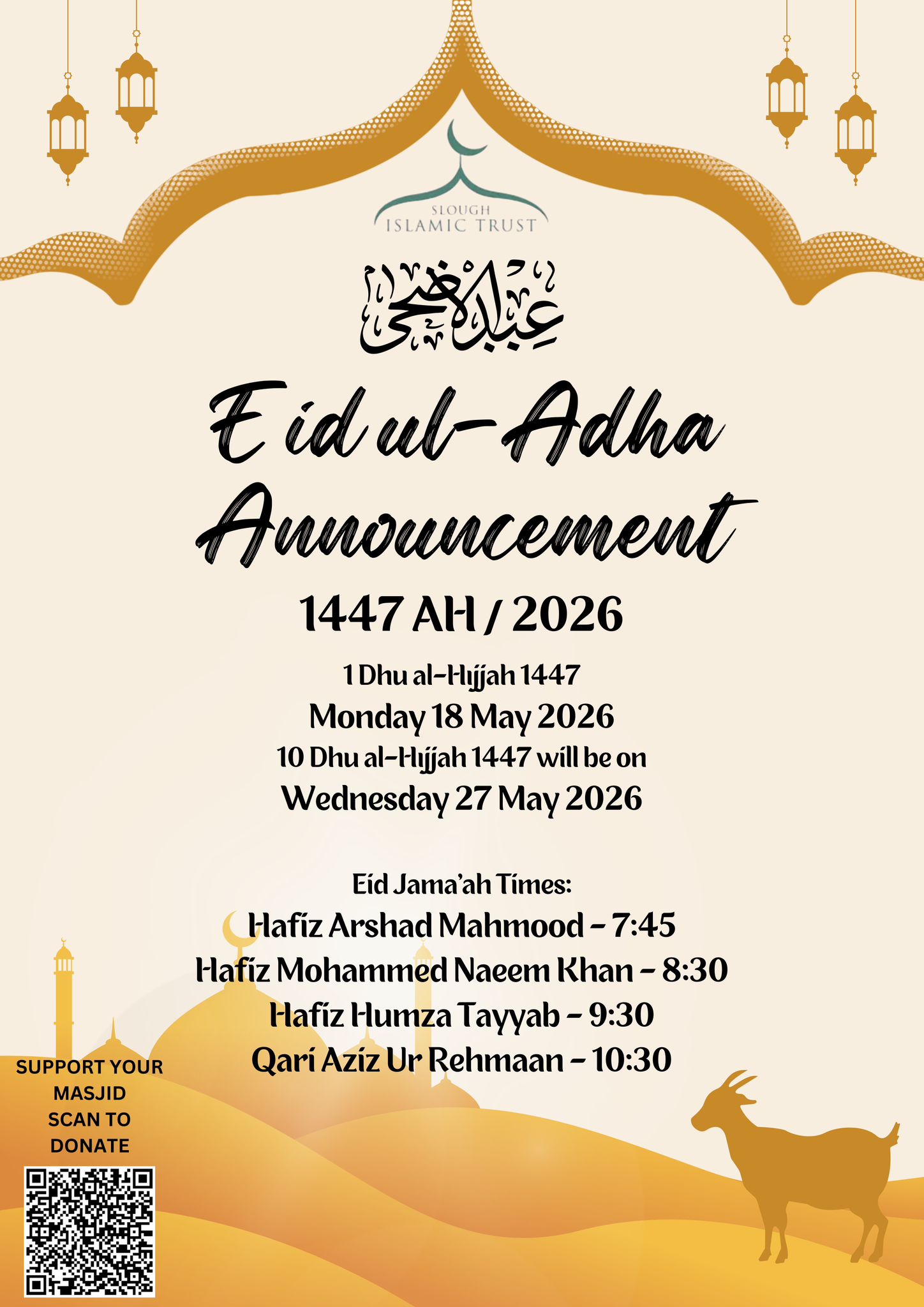
Submit Your FeedbackEid Ul Adha Updates
Donate Now !
Registered Charity
