بِسْمِ اللَّهِ الرَّحْمَنِ الرَّحِيمِ
الرَّحْمَـٰنِ
الرَّحِيمِ
الْمَلِكِ
الْقُدُّوسِ
السَّلَامِ
1446 - ذُو الْحِجَّة
الْمُؤْمِنِ
الْمُهَيْمِنِ
الْعَزِيزِ
الْجَبَّارُ
الْمُتَكَبِّرُ
L
O
A
D
I
N
G
Fajr
04:15 AM
✓
Asr
07:00 PM
Maghrib
08:59 PM
Isha
10:45 PM
Jumu'ah
02:00 PM


Lud (Lydda)
لد
Text Size:
Lud (also known as Lydda or Lod) is a historic and strategically significant city located near modern-day Tel Aviv in Palestine, which holds a central place in Islamic eschatology. According to authentic Hadith, the False Messiah (Al-Masih ad-Dajjal) will eventually be confronted and slain by Isa (AS) (Jesus) at the Gate of Lud. This event represents the peak of Divine justice and the definitive Hujjah (proof) of the triumph of truth over the ultimate deception. The significance of Lud as the site of the Dajjal’s demise serves as a beacon of hope for the Ummah, reflecting the Nur (light) of prophetic guidance and the absolute certainty (Yaqin) of the return of peace and Adl (justice) to the world under the leadership of Isa (AS).
Theologically, the events at Lud are a manifestation of the principle of the final victory of the messengers and the fulfillment of the Divine promise to protect the earth from perpetual corruption (Fasad). It reflects the Hikmah (wisdom) of a tradition that roots spiritual prophecy in the physical landscape of the Levant (Ash-Sham). The death of the Dajjal at the hands of Isa (AS) signifies the end of the greatest trial (Fitna) in human history and the restoration of the Mizan (balance) in human affairs. This history serves as a Burhan (proof) that no matter how powerful falsehood may appear, its end is inevitable and decree-bound. Historically, Lud has been a city of transit and conflict, but its eschatological role transforms it into a symbol of spiritual victory and the global unification of the faithful for the pleasure of their Lord.
For the Ummah, the eschatological importance of Lud is a source of immense pride and a reminder of the sacredness of the Palestinian land. It teaches the believers the value of steadfastness (Sabr), hope, and the importance of remaining connected to the prophetic traditions. In a modern world characterized by geopolitical instability and spiritual doubt, the certainty of the events at Lud provides a roadmap for resilience and the defense of Islamic identity. It encourages a culture of Ilm (knowledge) and communal unity. By honoring the memory and the promise associated with this site, the Muslim community strengthens its identity and its commitment to the values of the Quran. It promotes a life of purpose and shared spiritual prosperity, ensuring that the light of truth continues to guide the human journey through the power of noble character and radiant achievement.
Theologically, the events at Lud are a manifestation of the principle of the final victory of the messengers and the fulfillment of the Divine promise to protect the earth from perpetual corruption (Fasad). It reflects the Hikmah (wisdom) of a tradition that roots spiritual prophecy in the physical landscape of the Levant (Ash-Sham). The death of the Dajjal at the hands of Isa (AS) signifies the end of the greatest trial (Fitna) in human history and the restoration of the Mizan (balance) in human affairs. This history serves as a Burhan (proof) that no matter how powerful falsehood may appear, its end is inevitable and decree-bound. Historically, Lud has been a city of transit and conflict, but its eschatological role transforms it into a symbol of spiritual victory and the global unification of the faithful for the pleasure of their Lord.
For the Ummah, the eschatological importance of Lud is a source of immense pride and a reminder of the sacredness of the Palestinian land. It teaches the believers the value of steadfastness (Sabr), hope, and the importance of remaining connected to the prophetic traditions. In a modern world characterized by geopolitical instability and spiritual doubt, the certainty of the events at Lud provides a roadmap for resilience and the defense of Islamic identity. It encourages a culture of Ilm (knowledge) and communal unity. By honoring the memory and the promise associated with this site, the Muslim community strengthens its identity and its commitment to the values of the Quran. It promotes a life of purpose and shared spiritual prosperity, ensuring that the light of truth continues to guide the human journey through the power of noble character and radiant achievement.
Viewed 163 times
Browse Dictionary
Join Our Mission to Preserve Islamic Knowledge
"The best of you are those who learn the Quran and teach it."
- Prophet Muhammad ﷺ
Missing Terms
Is there an Islamic term you'd like to see explained? Share it with us and help others learn.
Report Issues
If you notice any inaccuracies or areas for improvement, please let us know so we can correct them.
Source References
Have authentic references or additional information for existing terms? We welcome contributions.
Arabic Corrections
Help us ensure Arabic spellings and diacritical marks are accurate.
Together, we can build the most comprehensive and accurate Islamic dictionary online.
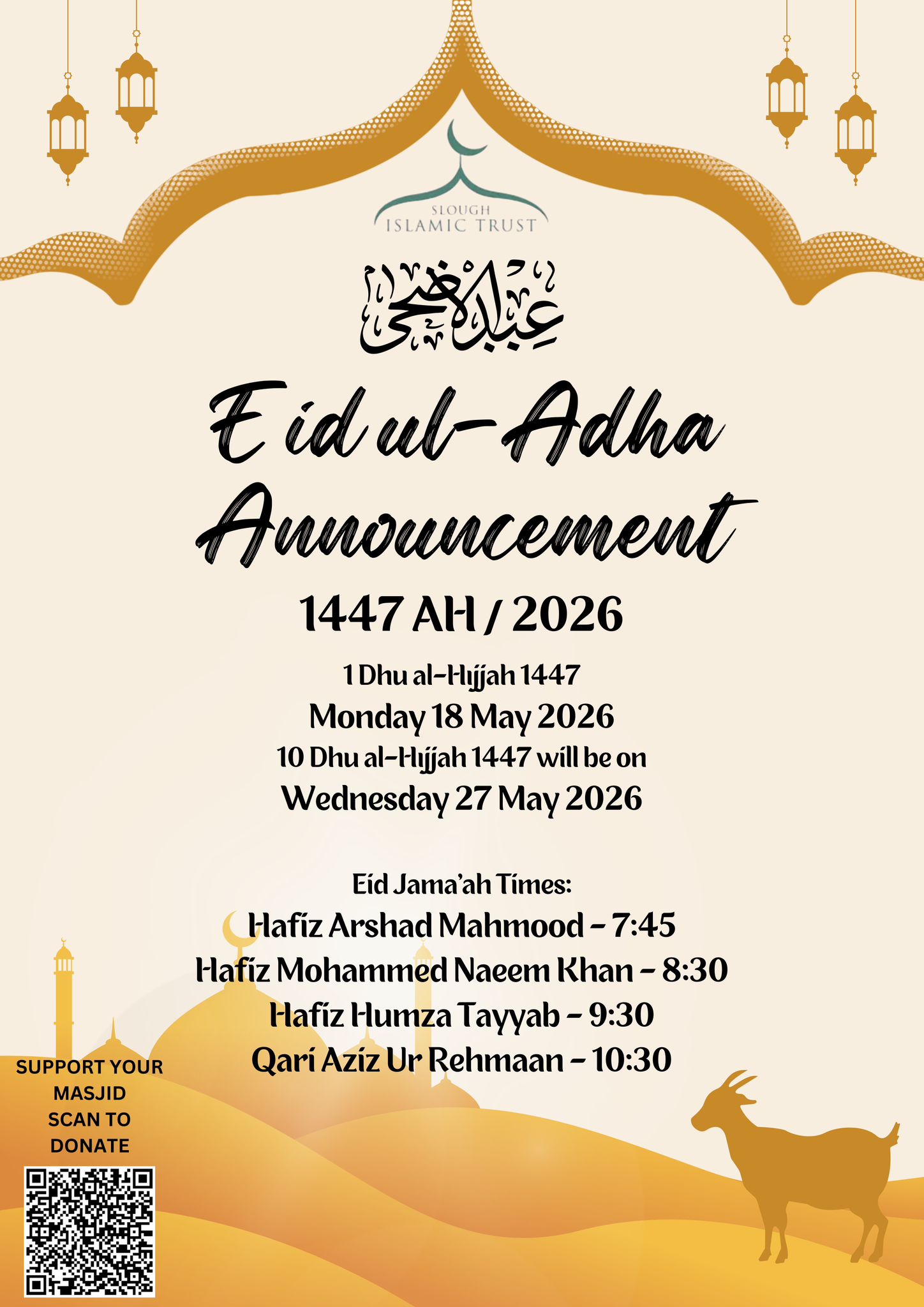
Submit Your FeedbackEid Ul Adha Updates
Donate Now !
Registered Charity
