بِسْمِ اللَّهِ الرَّحْمَنِ الرَّحِيمِ
الرَّحْمَـٰنِ
الرَّحِيمِ
الْمَلِكِ
الْقُدُّوسِ
السَّلَامِ
1446 - ذُو الْحِجَّة
الْمُؤْمِنِ
الْمُهَيْمِنِ
الْعَزِيزِ
الْجَبَّارُ
الْمُتَكَبِّرُ
L
O
A
D
I
N
G
Fajr
04:15 AM
✓
Asr
07:00 PM
Maghrib
08:59 PM
Isha
10:45 PM
Jumu'ah
02:00 PM


Asr
مسبحة
Text Size:
The Asr prayer is the third of the five obligatory daily prayers (Salah) in Islam, performed in the late afternoon. It consists of four Rakat (units) and, like the Dhuhr prayer, is recited silently. The time for Asr begins when the shadow of an object is equal to its length (or twice its length in some schools) and ends just before the sun begins to set. The Asr prayer is uniquely highlighted in the Quran, where Allah commands the believers: "Guard strictly your prayers and [especially] the middle prayer" (Surah Al-Baqarah 2:238). Most scholars agree that this "middle prayer" (al-Salat al-Wusta) refers specifically to Asr, underscoring its immense spiritual weight.
Theologically, the Asr prayer represents steadfastness and discipline. It occurs at a time when the workday is coming to a close and people are often at their most tired or distracted, rushing to finish their tasks. To stop and pray at this specific moment is a powerful testament to a believer's priorities. The Prophet Muhammad (PBUH) warned of the gravity of missing the Asr prayer, comparing its loss to losing one’s family and property. Conversely, he promised that those who perform the two "cool" prayers,Fajr and Asr,will enter Paradise. This highlights the dual significance of the start and end of the daylight hours in the life of a Muslim.
Asr is a time of transition, as the day begins to fade into evening. It is a period for "Istighfar" (seeking forgiveness) and "Tasbih" (glorifying Allah) as the sun descends. Many Muslims utilize the time after the Asr prayer for deep reflection and the recitation of specific supplications (Adhkar), as it is believed to be a blessed time. For the Ummah, the Asr prayer serves as a collective reminder that no matter how busy the afternoon becomes, the connection to the Divine must remain the central axis of one’s day. It provides a spiritual anchor that prevents the heart from being overwhelmed by the fleeting concerns of the material world, ensuring that the day ends on a note of devotion and submission.
Theologically, the Asr prayer represents steadfastness and discipline. It occurs at a time when the workday is coming to a close and people are often at their most tired or distracted, rushing to finish their tasks. To stop and pray at this specific moment is a powerful testament to a believer's priorities. The Prophet Muhammad (PBUH) warned of the gravity of missing the Asr prayer, comparing its loss to losing one’s family and property. Conversely, he promised that those who perform the two "cool" prayers,Fajr and Asr,will enter Paradise. This highlights the dual significance of the start and end of the daylight hours in the life of a Muslim.
Asr is a time of transition, as the day begins to fade into evening. It is a period for "Istighfar" (seeking forgiveness) and "Tasbih" (glorifying Allah) as the sun descends. Many Muslims utilize the time after the Asr prayer for deep reflection and the recitation of specific supplications (Adhkar), as it is believed to be a blessed time. For the Ummah, the Asr prayer serves as a collective reminder that no matter how busy the afternoon becomes, the connection to the Divine must remain the central axis of one’s day. It provides a spiritual anchor that prevents the heart from being overwhelmed by the fleeting concerns of the material world, ensuring that the day ends on a note of devotion and submission.
Viewed 278 times
Browse Dictionary
Join Our Mission to Preserve Islamic Knowledge
"The best of you are those who learn the Quran and teach it."
- Prophet Muhammad ﷺ
Missing Terms
Is there an Islamic term you'd like to see explained? Share it with us and help others learn.
Report Issues
If you notice any inaccuracies or areas for improvement, please let us know so we can correct them.
Source References
Have authentic references or additional information for existing terms? We welcome contributions.
Arabic Corrections
Help us ensure Arabic spellings and diacritical marks are accurate.
Together, we can build the most comprehensive and accurate Islamic dictionary online.
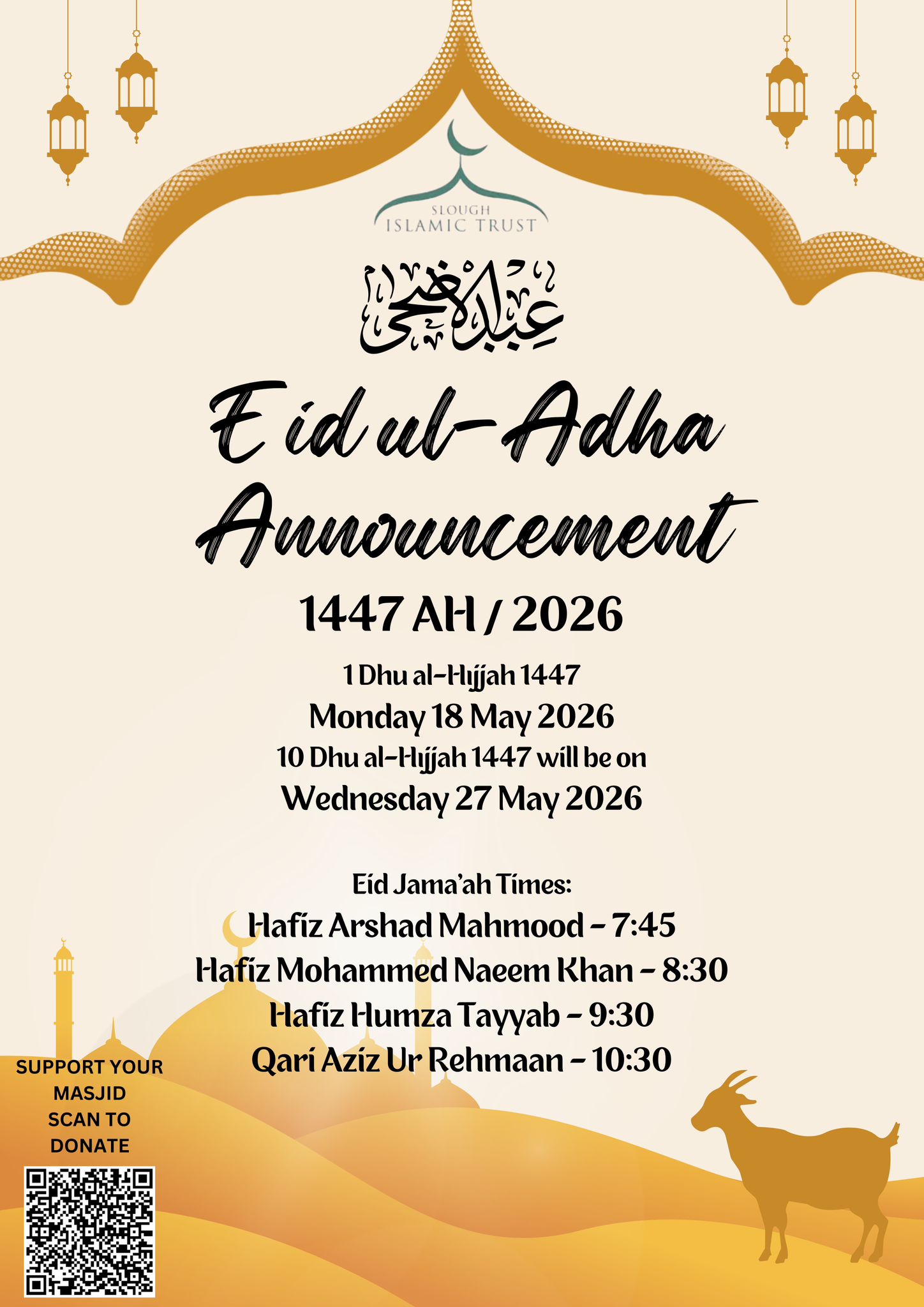
Submit Your FeedbackEid Ul Adha Updates
Donate Now !
Registered Charity
