بِسْمِ اللَّهِ الرَّحْمَنِ الرَّحِيمِ
الرَّحْمَـٰنِ
الرَّحِيمِ
الْمَلِكِ
الْقُدُّوسِ
السَّلَامِ
1446 - ذُو الْحِجَّة
الْمُؤْمِنِ
الْمُهَيْمِنِ
الْعَزِيزِ
الْجَبَّارُ
الْمُتَكَبِّرُ
L
O
A
D
I
N
G
Fajr
04:15 AM
✓
Asr
07:00 PM
Maghrib
08:59 PM
Isha
10:45 PM
Jumu'ah
02:00 PM


Assalamu Alaikum Wa Rahmatullahi Wa Barakatuh
السلام عليكم ورحمة الله وبركاته
Text Size:
Assalamu Alaikum wa Rahmatullahi wa Barakatuh, which translates to "Peace be upon you, and the mercy of Allah, and His blessings," is the historic and foundational Islamic greeting representing the peak of social and spiritual Izzah (honor). Rooted in the Sunnah of the Prophet Muhammad (PBUH), this greeting is a prayer for the welfare and the security of the other person, signifying that the "Salam" (Peace) of Allah (SWT) is the primary framework for all human interaction. It is a definitive Hujjah (proof) of the high civility and the compassionate nature of the Islamic tradition, providing the Ummah with a state of Sakina (tranquility) and a primary Wasilah (means) for building the bonds of brotherhood and social responsibility for the pleasure of their Lord and the benefit of all humanity. Theologically, the greeting is a manifestation of the principle of Divine Peace and the Hikmah (wisdom) of Divine law in organizing the life of the believers. It reflects the Nur (light) of a faith that views the "Salam" as a name of Allah and a primary Ayat (sign) of the Divine presence in the social sphere. The requirement to return the greeting with equal or greater warmth serves as a Burhan (proof) of the transformative and liberating power of the Islamic message, which seeks to focus the human potential on the ultimate Truth through the practice of Ihsan (excellence) and mutual respect. This history reflects the Mizan (balance) between the individual's spiritual state and their external social conduct. Historically, the commitment to the "Sacred Greeting" has provided the Ummah with the social resilience and the stability needed to build flourishing civilizations based on the rule of law. It underscores the absolute Amanah (trust) of the believer to be a source of stability and a witness to humanity through the power of integrity and radiant achievement for the benefit of all. For the modern Ummah, the practice of the complete Islamic greeting is a source of pride and a roadmap for contemporary social reform and communal unity. It teaches the believers the value of peace, the beauty of unshakeable faith, and the importance of being pioneers of justice who represent the Truth with dignity and compassion. In a modern world often characterized by conflict and the erosion of trust, the tradition of the "Salam" provides a roadmap for the pursuit of social harmony and the protection of human dignity through institutional and individual excellence. It encourages a culture of Ihsan (excellence) and communal responsibility. By honoring the Sunnah of the Prophet Muhammad (PBUH), the Muslim community strengthens its identity and its commitment to the values of the Quran. It promotes a life of purpose and shared prosperity, ensuring that the light of Divine mercy continue to heal and sustain the world.
Viewed 831 times
Browse Dictionary
Join Our Mission to Preserve Islamic Knowledge
"The best of you are those who learn the Quran and teach it."
- Prophet Muhammad ﷺ
Missing Terms
Is there an Islamic term you'd like to see explained? Share it with us and help others learn.
Report Issues
If you notice any inaccuracies or areas for improvement, please let us know so we can correct them.
Source References
Have authentic references or additional information for existing terms? We welcome contributions.
Arabic Corrections
Help us ensure Arabic spellings and diacritical marks are accurate.
Together, we can build the most comprehensive and accurate Islamic dictionary online.
Submit Your FeedbackEid Ul Adha Updates
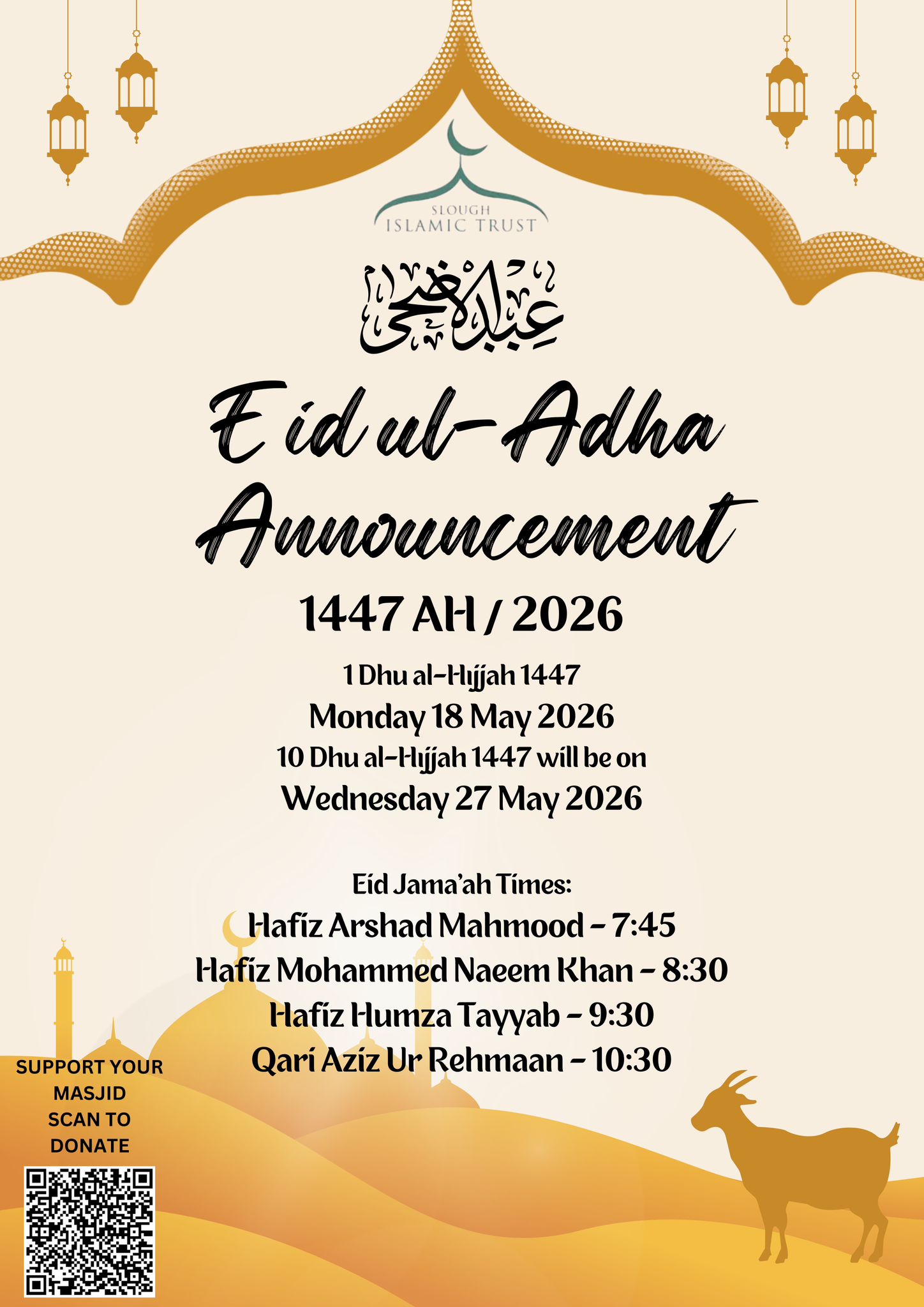
Donate Now !
Registered Charity
