بِسْمِ اللَّهِ الرَّحْمَنِ الرَّحِيمِ
الرَّحْمَـٰنِ
الرَّحِيمِ
الْمَلِكِ
الْقُدُّوسِ
السَّلَامِ
1446 - ذُو الْحِجَّة
الْمُؤْمِنِ
الْمُهَيْمِنِ
الْعَزِيزِ
الْجَبَّارُ
الْمُتَكَبِّرُ
L
O
A
D
I
N
G
Fajr
04:00 AM
✓
Dhuhr
02:00 PM
✓
Maghrib
09:07 PM
Isha
11:00 PM
Jumu'ah
02:00 PM


Maqasid Al-Sharia
مقاصد الشريعة
Text Size:
Maqasid al-Sharia refers to the "Higher Objectives of Islamic Law." It is a framework used by jurists to ensure that legal rulings align with the ultimate purpose of the Sharia, which is the welfare (Maslahah) of humanity. The classical formulation by Imam al-Ghazali and Al-Shatibi identifies five essential protections: the preservation of Religion (Din), Life (Nafs), Intellect (Aql), Lineage (Nasl), and Property (Mal). By focusing on these objectives, Islamic law can adapt to new social and technological challenges while remaining true to its core mission of justice and mercy. In modern Islamic thought, Maqasid al-Sharia has become a vital tool for responding to contemporary issues such as bioethics, environmental protection, and human rights. Rather than just following the literal wording of a law, scholars look at the "Maqsid" (purpose) behind it. For example, laws regarding finance are interpreted through the objective of ensuring wealth circulation and preventing exploitation. This goal-oriented approach allows for a more holistic and compassionate application of Islam, ensuring that the "spirit of the law" is never sacrificed for the "letter of the law" in a changing world. The concept of Maqasid al-Sharia was developed over centuries. Imam al-Harith al-Muhasibi (d. 857 CE) discussed the objectives of law. Imam al-Juwayni (d. 1085 CE) systematized the five necessities. Imam al-Ghazali (d. 1111 CE) refined and popularized the framework. Imam al-Shatibi (d. 1388 CE) produced the most comprehensive work on Maqasid in his "Al-Muwafaqat." The five necessities (daruriyyat) are the essential protections that the Sharia aims to preserve. Religion (din) is protected through the obligation of worship and the prohibition of apostasy. Life (nafs) is protected through the prohibition of murder and the laws of qisas. Intellect (aql) is protected through the prohibition of intoxicants and the encouragement of seeking knowledge. Lineage (nasl) is protected through the prohibition of adultery and the encouragement of marriage. Property (mal) is protected through the prohibition of theft and the laws of contracts. Beyond the necessities, the Sharia also aims to protect complementary needs (hajiyyat) that remove hardship, and embellishments (tahsiniyyat) that improve quality of life. The Maqasid framework allows scholars to derive rulings for new issues by considering their impact on these objectives. For example, organ donation: does it protect life? Does it violate dignity? Scholars consider these questions in light of the Maqasid. For believers, Maqasid al-Sharia provides a deeper understanding of Islamic law. They see that the Sharia is not arbitrary but is designed to protect what is essential for human flourishing. They approach rulings with an understanding of their purpose, seeking to embody the spirit of the law. The Maqasid also guide believers in their own decisions. When faced with a dilemma, they consider: does this action protect or harm religion, life, intellect, lineage, or property? They strive to make choices that align with the objectives of the Sharia. The ultimate purpose of the Sharia is to lead humanity to Allah, protecting them from harm and guiding them to eternal bliss. The believer trusts in the wisdom of the Sharia, knowing that every command and prohibition is designed for their benefit. They strive to follow it with understanding, seeking to embody its objectives in their lives.
Viewed 522 times
Browse Dictionary
Join Our Mission to Preserve Islamic Knowledge
"The best of you are those who learn the Quran and teach it."
- Prophet Muhammad ﷺ
Missing Terms
Is there an Islamic term you'd like to see explained? Share it with us and help others learn.
Report Issues
If you notice any inaccuracies or areas for improvement, please let us know so we can correct them.
Source References
Have authentic references or additional information for existing terms? We welcome contributions.
Arabic Corrections
Help us ensure Arabic spellings and diacritical marks are accurate.
Together, we can build the most comprehensive and accurate Islamic dictionary online.
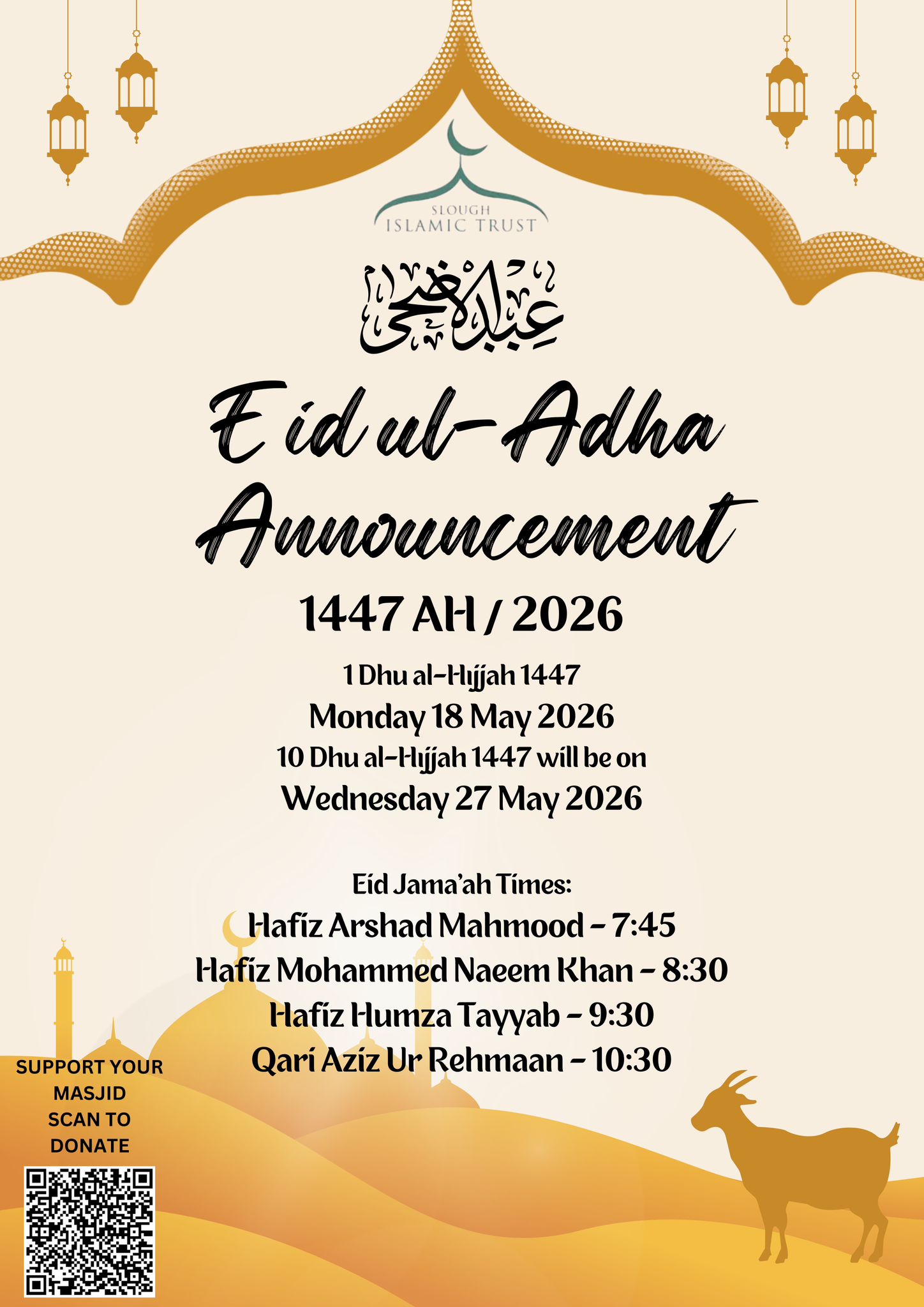
Submit Your FeedbackEid Ul Adha Updates
Donate Now !
Registered Charity
