بِسْمِ اللَّهِ الرَّحْمَنِ الرَّحِيمِ
الرَّحْمَـٰنِ
الرَّحِيمِ
الْمَلِكِ
الْقُدُّوسِ
السَّلَامِ
1446 - ذُو الْحِجَّة
الْمُؤْمِنِ
الْمُهَيْمِنِ
الْعَزِيزِ
الْجَبَّارُ
الْمُتَكَبِّرُ
L
O
A
D
I
N
G
Fajr
04:15 AM
✓
Asr
07:00 PM
Maghrib
08:59 PM
Isha
10:45 PM
Jumu'ah
02:00 PM


Rabbana Wa Lakal Hamd
ربنا ولك الحمد
Text Size:
Rabbana Wa Lakal Hamd is the phrase recited by a Muslim after rising from the bowing position (Ruku) in prayer. It means "Our Lord, and to You belongs all praise." This short but profound statement is an acknowledgment of Allah's sovereignty and grace. It marks a moment of "Tahmid" (praising God) during the physical transition of the prayer. By saying this, the believer expresses that no matter what state they are in,standing, bowing, or prostrating,the Creator is always worthy of gratitude. It is a key element in the rhythmic cycle of the Salah. The phrase is recited after the Imam (or individual) says "Sami'allahu liman hamidah" (Allah hears those who praise Him). The response "Rabbana wa lakal hamd" is the congregation's acknowledgment. Together, these two phrases complete the act of rising from bowing. The Prophet taught that the angels fill the space between heaven and earth responding to these words. The phrase uses "Rabbana" (Our Lord) to emphasize the relationship of care and sustenance between Allah and the believers. "Lakal hamd" (to You belongs all praise) affirms that all praise,for blessings, for guidance, for mercy, for creation itself,belongs to Allah alone. The complete form of this supplication includes additional descriptions: "hamdan kathiran tayyiban mubarakan fih" (praise abundant, pure, and blessed) and "mil' as-samawati wa mil' al-ard wa mil' ma shi'ta min shay'in ba'd" (filling the heavens, filling the earth, and filling whatever else You will). This extended form, taught by the Prophet, deepens the expression of gratitude. Reciting "Rabbana wa lakal hamd" in prayer cultivates gratitude as a constant state. Even in the physical posture of rising, the believer praises Allah. This trains the heart to find reasons for praise in every transition, every state, every moment. The phrase also reinforces the concept of Tawhid in praise,no one else deserves the praise that belongs to Allah. In congregational prayer, reciting this phrase together unites the voices of the Ummah in a collective expression of gratitude, creating a moment of harmony before the next movement of the prayer.
Viewed 1,212 times
Browse Dictionary
Join Our Mission to Preserve Islamic Knowledge
"The best of you are those who learn the Quran and teach it."
- Prophet Muhammad ﷺ
Missing Terms
Is there an Islamic term you'd like to see explained? Share it with us and help others learn.
Report Issues
If you notice any inaccuracies or areas for improvement, please let us know so we can correct them.
Source References
Have authentic references or additional information for existing terms? We welcome contributions.
Arabic Corrections
Help us ensure Arabic spellings and diacritical marks are accurate.
Together, we can build the most comprehensive and accurate Islamic dictionary online.
Submit Your FeedbackEid Ul Adha Updates
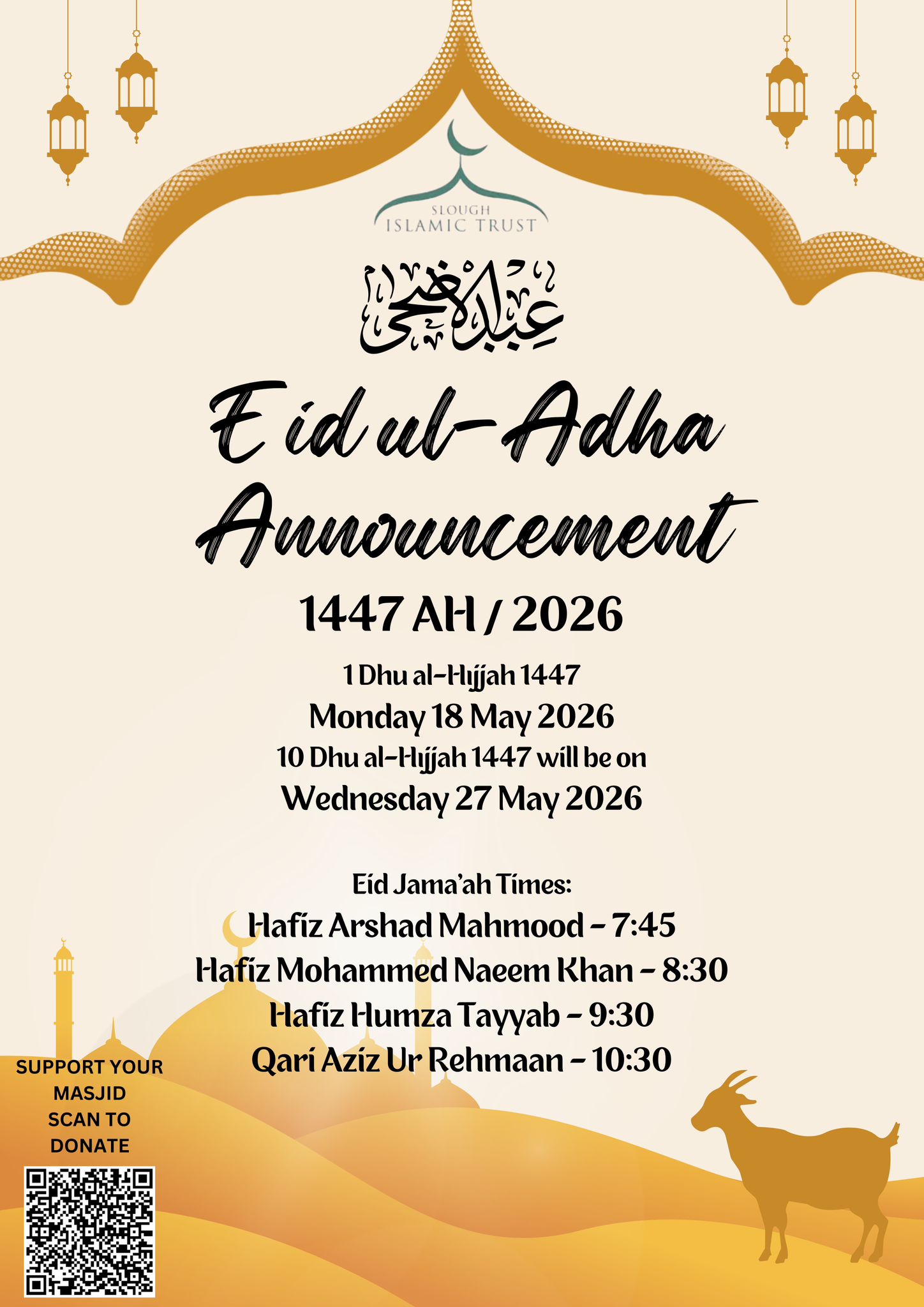
Donate Now !
Registered Charity
