بِسْمِ اللَّهِ الرَّحْمَنِ الرَّحِيمِ
الرَّحْمَـٰنِ
الرَّحِيمِ
الْمَلِكِ
الْقُدُّوسِ
السَّلَامِ
1446 - ذُو الْحِجَّة
الْمُؤْمِنِ
الْمُهَيْمِنِ
الْعَزِيزِ
الْجَبَّارُ
الْمُتَكَبِّرُ
L
O
A
D
I
N
G
Fajr
04:00 AM
✓
Dhuhr
02:00 PM
✓
Maghrib
09:07 PM
Isha
11:00 PM
Jumu'ah
02:00 PM


Sabb Al-Sahaba Prohibition
تحريم سب الصحابة
Text Size:
Sabb Al-Sahaba Prohibition refers to the categorical Islamic legal and ethical ban on reviling, insulting, or disparaging the Companions (Sahaba) of the Prophet Muhammad (PBUH). The Sahaba are those who believed in the Prophet, met him, and died as Muslims. They are revered as the "best of generations," responsible for the preservation and transmission of the Quran and Sunnah to subsequent generations. Insulting them is considered a grave sin in Sunnislamic theology, as it implicitly attacks the integrity of the messengers through whom the religion was delivered.
Theologically, the prohibition is rooted in both the Quran and Hadith. Allah (SWT) expresses His pleasure with the Sahaba in several verses, such as Surah At-Tawbah (9:100): "And the first forerunners [in the faith]... Allah is pleased with them and they are pleased with Him." The Prophet (PBUH) explicitly warned: "Do not revile my companions, for by Him in whose hand is my soul, if one of you were to spend gold equal to [Mount] Uhud in charity, it would not equal a handful of one of them or even half of it." This highlights the unique spiritual status and sacrifice of the Sahaba, which cannot be matched by those who came after them.
Scholars have noted that disparaging the Sahaba leads to the erosion of religious authority. If the transmitters of the faith are deemed unreliable or corrupt, the message they carried becomes suspect. Therefore, protecting the honor of the Sahaba is seen as a means of protecting the religion itself. The prohibition covers all companions, including the four Rightly Guided Caliphs (Khulafa al-Rashidun), the Mothers of the Believers (Ummahat al-Mu'minin), and the early migrants (Muhajirun) and helpers (Ansar). While they were human and not infallible, their collective righteousness is affirmed by Divine text. For the Ummah, maintaining respect for the Sahaba fosters unity and provides a moral compass. It teaches the believer to guard their tongue and to look upon the pioneers of faith with "Ihtiram" (respect) and "Hubb" (love), acknowledging their role as the bridge between the Divine Revelation and the lived reality of the Muslim community.
Theologically, the prohibition is rooted in both the Quran and Hadith. Allah (SWT) expresses His pleasure with the Sahaba in several verses, such as Surah At-Tawbah (9:100): "And the first forerunners [in the faith]... Allah is pleased with them and they are pleased with Him." The Prophet (PBUH) explicitly warned: "Do not revile my companions, for by Him in whose hand is my soul, if one of you were to spend gold equal to [Mount] Uhud in charity, it would not equal a handful of one of them or even half of it." This highlights the unique spiritual status and sacrifice of the Sahaba, which cannot be matched by those who came after them.
Scholars have noted that disparaging the Sahaba leads to the erosion of religious authority. If the transmitters of the faith are deemed unreliable or corrupt, the message they carried becomes suspect. Therefore, protecting the honor of the Sahaba is seen as a means of protecting the religion itself. The prohibition covers all companions, including the four Rightly Guided Caliphs (Khulafa al-Rashidun), the Mothers of the Believers (Ummahat al-Mu'minin), and the early migrants (Muhajirun) and helpers (Ansar). While they were human and not infallible, their collective righteousness is affirmed by Divine text. For the Ummah, maintaining respect for the Sahaba fosters unity and provides a moral compass. It teaches the believer to guard their tongue and to look upon the pioneers of faith with "Ihtiram" (respect) and "Hubb" (love), acknowledging their role as the bridge between the Divine Revelation and the lived reality of the Muslim community.
Viewed 465 times
Browse Dictionary
Join Our Mission to Preserve Islamic Knowledge
"The best of you are those who learn the Quran and teach it."
- Prophet Muhammad ﷺ
Missing Terms
Is there an Islamic term you'd like to see explained? Share it with us and help others learn.
Report Issues
If you notice any inaccuracies or areas for improvement, please let us know so we can correct them.
Source References
Have authentic references or additional information for existing terms? We welcome contributions.
Arabic Corrections
Help us ensure Arabic spellings and diacritical marks are accurate.
Together, we can build the most comprehensive and accurate Islamic dictionary online.
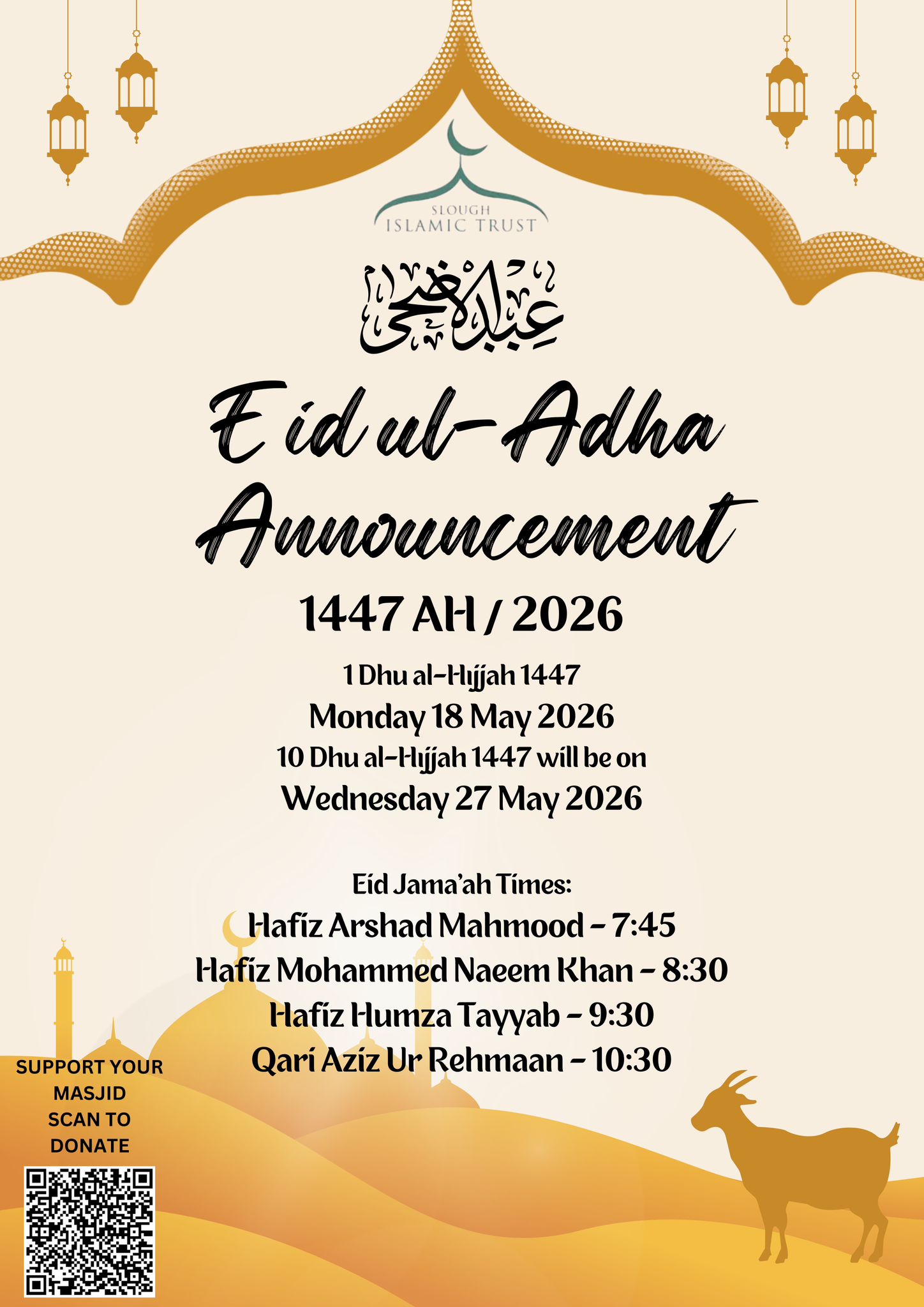
Submit Your FeedbackEid Ul Adha Updates
Donate Now !
Registered Charity
