بِسْمِ اللَّهِ الرَّحْمَنِ الرَّحِيمِ
الرَّحْمَـٰنِ
الرَّحِيمِ
الْمَلِكِ
الْقُدُّوسِ
السَّلَامِ
1446 - ذُو الْحِجَّة
الْمُؤْمِنِ
الْمُهَيْمِنِ
الْعَزِيزِ
الْجَبَّارُ
الْمُتَكَبِّرُ
L
O
A
D
I
N
G
Fajr
04:15 AM
✓
Asr
07:00 PM
Maghrib
08:59 PM
Isha
10:45 PM
Jumu'ah
02:00 PM


The Compilation Of The Quran
التنظيمات
Text Size:
The Compilation of the Quran refers to the historic and meticulous process by which the oral revelations received by the Prophet Muhammad (PBUH) were preserved and standardized into the written "Mushaf." While the entire Quran was written down during the Prophet’s lifetime on various materials, it was under the first Caliph, Abu Bakr (RA), that the first complete volume was compiled following the Battle of Yamama. Later, under the third Caliph, Uthman ibn Affan (RA), a standardized written version was produced and distributed to ensure the unity and the purity of the "Wahyi" (revelation) across the expanding Islamic world.
Theologically, the compilation of the Quran is a manifestation of the Divine promise: "Indeed, it is We who sent down the message and indeed, We will be its guardian" (Surah Al-Hijr 15:9). It reflects the Amanah (trust) and the Itqan (perfection) of the early companions in preserving the "Nur" (light) of the Divine Word. The process involved rigorous verification by multiple witnesses and comparison with the memorized verses (Hifz), ensuring that the Quran we read today is identical to the one revealed fourteen centuries ago. This history reflects the Hikmah (wisdom) of a civilization that valued the "Pen" as the primary tool for the preservation of Truth. The standardized "Uthmanic Codex" provided the Sakina (tranquility) and the unshakeable foundation needed for the spiritual and legal life of the Ummah. It is the ultimate Burhan (proof) of the miraculous and eternal nature of the Islamic faith. The compilation was the Wasilah (means) that allowed the light of the Quran to reach every corner of the world without distortion.
For the Ummah, the history of the Quran’s compilation is a source of immense pride and a reminder of the "Sacredness of the Word." It teaches the believers the value of accuracy, scholarly integrity, and the importance of being "people of the book." In the modern world, this heritage provides a roadmap for the preservation of religious knowledge and the pursuit of truth. It encourages a culture of Ilm (knowledge) and communal responsibility. By honoring the work of the early scribes and the companions, the Muslim community strengthens its identity and its commitment to the preservation of the Truth. It promotes a life of purpose and shared spiritual prosperity, ensuring that the light of the Quran continues to illuminate the path of all humanity for the pleasure of their Lord.
Theologically, the compilation of the Quran is a manifestation of the Divine promise: "Indeed, it is We who sent down the message and indeed, We will be its guardian" (Surah Al-Hijr 15:9). It reflects the Amanah (trust) and the Itqan (perfection) of the early companions in preserving the "Nur" (light) of the Divine Word. The process involved rigorous verification by multiple witnesses and comparison with the memorized verses (Hifz), ensuring that the Quran we read today is identical to the one revealed fourteen centuries ago. This history reflects the Hikmah (wisdom) of a civilization that valued the "Pen" as the primary tool for the preservation of Truth. The standardized "Uthmanic Codex" provided the Sakina (tranquility) and the unshakeable foundation needed for the spiritual and legal life of the Ummah. It is the ultimate Burhan (proof) of the miraculous and eternal nature of the Islamic faith. The compilation was the Wasilah (means) that allowed the light of the Quran to reach every corner of the world without distortion.
For the Ummah, the history of the Quran’s compilation is a source of immense pride and a reminder of the "Sacredness of the Word." It teaches the believers the value of accuracy, scholarly integrity, and the importance of being "people of the book." In the modern world, this heritage provides a roadmap for the preservation of religious knowledge and the pursuit of truth. It encourages a culture of Ilm (knowledge) and communal responsibility. By honoring the work of the early scribes and the companions, the Muslim community strengthens its identity and its commitment to the preservation of the Truth. It promotes a life of purpose and shared spiritual prosperity, ensuring that the light of the Quran continues to illuminate the path of all humanity for the pleasure of their Lord.
Viewed 139 times
Browse Dictionary
Join Our Mission to Preserve Islamic Knowledge
"The best of you are those who learn the Quran and teach it."
- Prophet Muhammad ﷺ
Missing Terms
Is there an Islamic term you'd like to see explained? Share it with us and help others learn.
Report Issues
If you notice any inaccuracies or areas for improvement, please let us know so we can correct them.
Source References
Have authentic references or additional information for existing terms? We welcome contributions.
Arabic Corrections
Help us ensure Arabic spellings and diacritical marks are accurate.
Together, we can build the most comprehensive and accurate Islamic dictionary online.
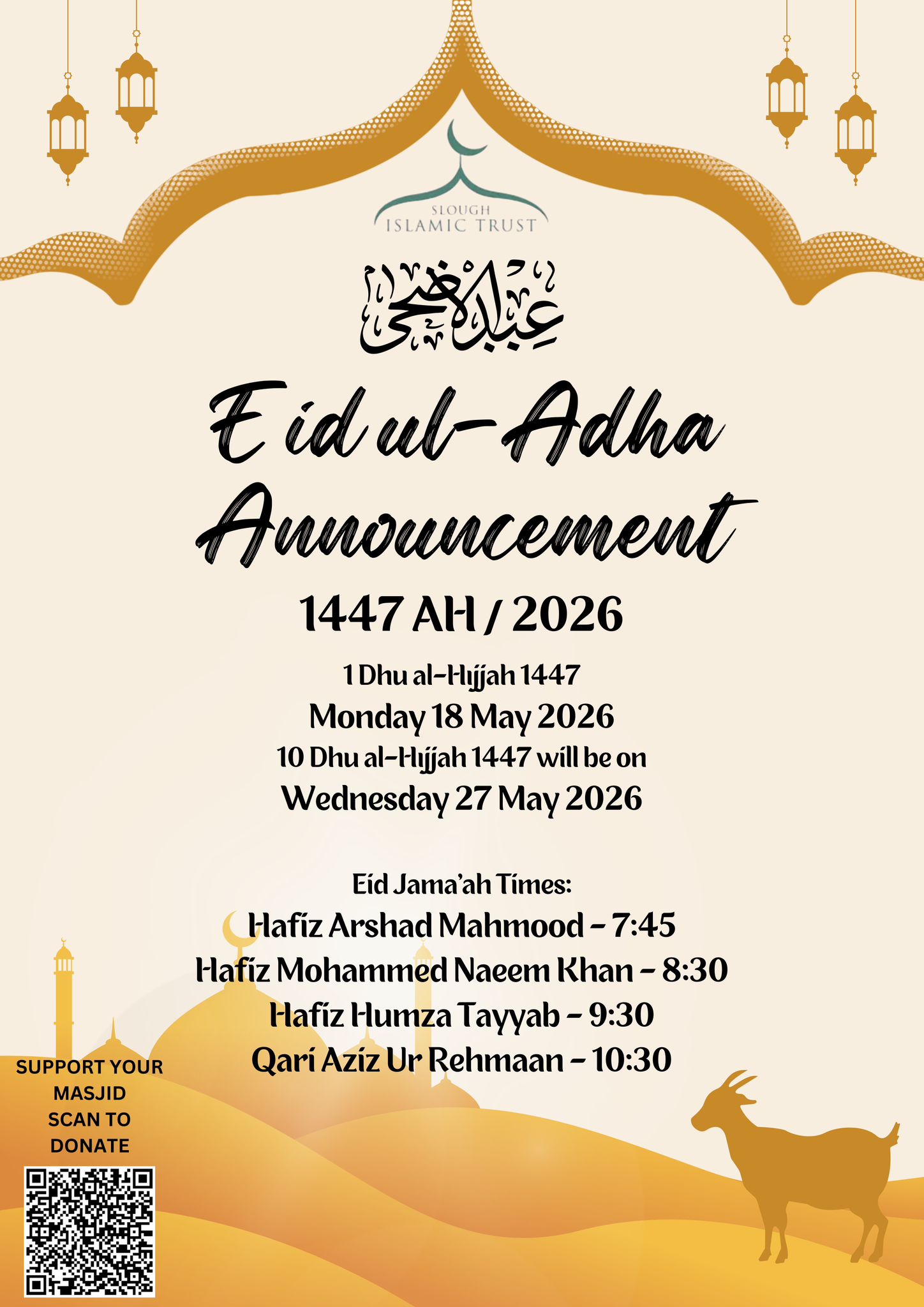
Submit Your FeedbackEid Ul Adha Updates
Donate Now !
Registered Charity
